
We cannot keep doing what we have always done and expect different results.
“We cannot solve our problems with the same thinking we used when we created them” – Albert Einstein
Our Health System – On a Faulty Foundation
A discussion paper for PEI Healthcare and educational leaders
Executive Summary
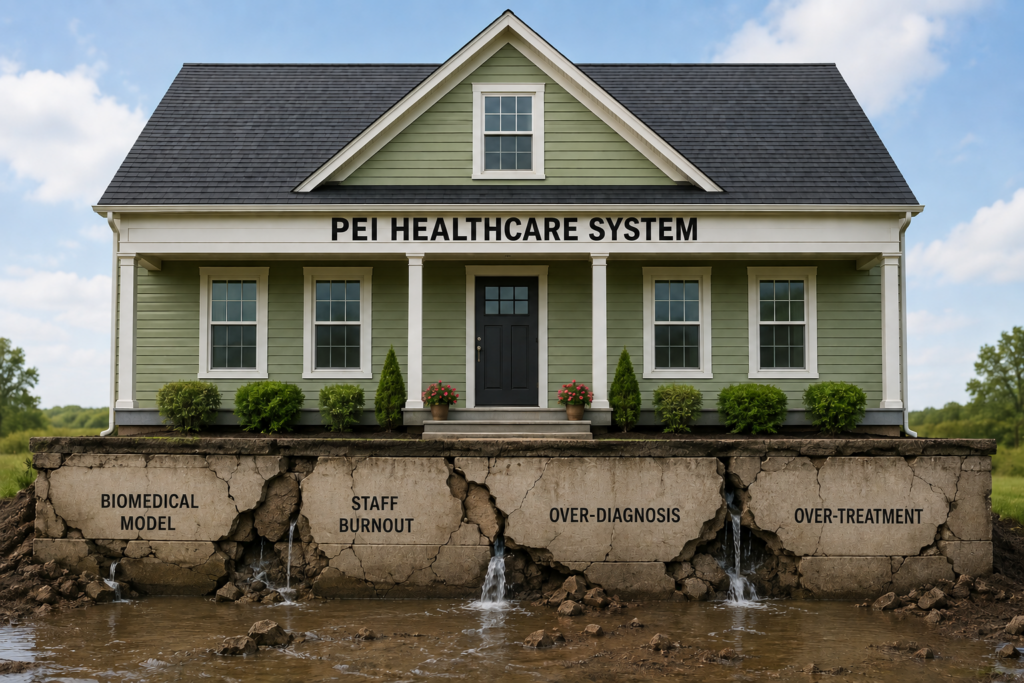
Our Health System – On a Faulty Foundation argues that many of the challenges facing Prince Edward Island’s healthcare system—and healthcare across Canada—cannot be solved by increased funding or structural reforms alone. The paper contends that Western medicine continues to rely primarily on the centuries-old biomedical model, rooted in René Descartes’ concept of mind-body separation. While this model has been remarkably successful in treating acute illness, infection, physical trauma, and extending life expectancy, it is less effective in addressing today’s growing burden of chronic pain, mental illness, trauma-related conditions, addiction, and other complex chronic diseases.
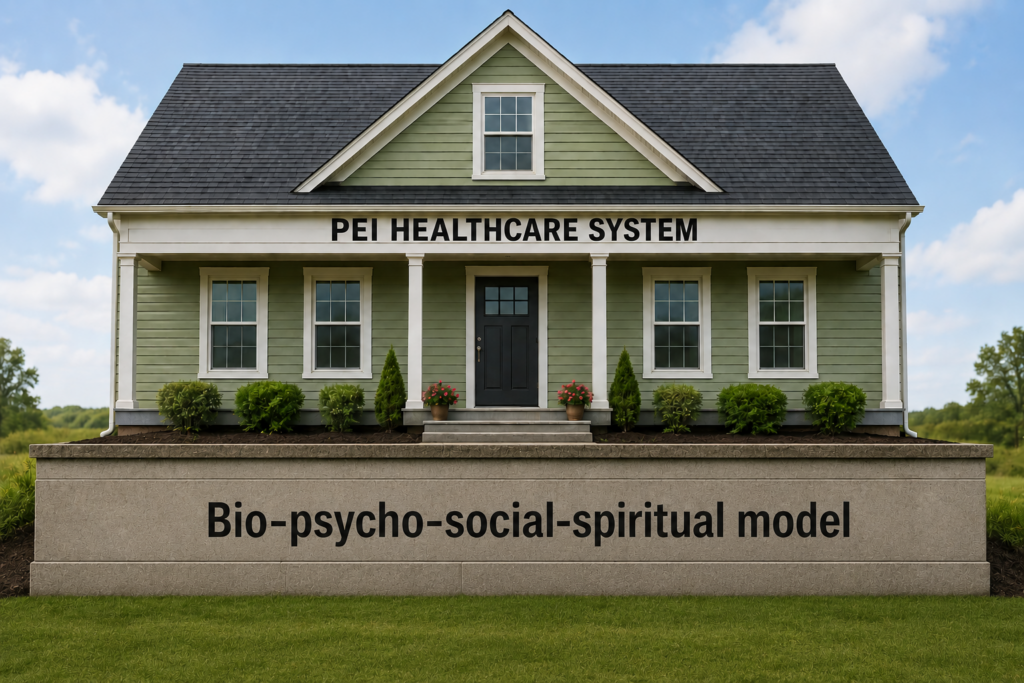
Drawing on modern neuroscience and the work of researchers including António Damásio, Bessel van der Kolk, John Sarno, and Howard Schubiner, the paper advocates for a comprehensive bio-psycho-social-spiritual model of care that recognizes the inseparable relationship between the brain, body, emotions, relationships, spirituality, and lived experience.
The paper identifies three major benefits of this shift: creating a healthier and more resilient healthcare workforce through trauma-informed leadership; addressing the underlying contributors to chronic illness rather than focusing primarily on symptom management; and investing in prevention by recognizing and responding to adversity and trauma early in life.
To achieve meaningful reform, the author recommends educating healthcare leaders and frontline clinicians in contemporary neuroscience and mind-body medicine, while encouraging insurers and compensation systems to adopt evidence-based treatments such as Pain Reprocessing Therapy and Emotional Awareness and Expression Therapy.
The paper concludes that sustainable healthcare transformation requires rebuilding the system’s conceptual foundation—not simply investing more resources into the existing model. By embracing a whole-person approach, healthcare leaders can improve patient outcomes, reduce unnecessary costs, strengthen the workforce, and build a more compassionate and sustainable healthcare system for future generations.
Recommended reading from experts leading the movement to a better foundation
Here are two recommended resources in the lay literature but richly documented with published medical and psychology literature references. Both books highlight the limitations of the biomedical model in addressing chronic pain disorders, as well as many other stress related disorders.
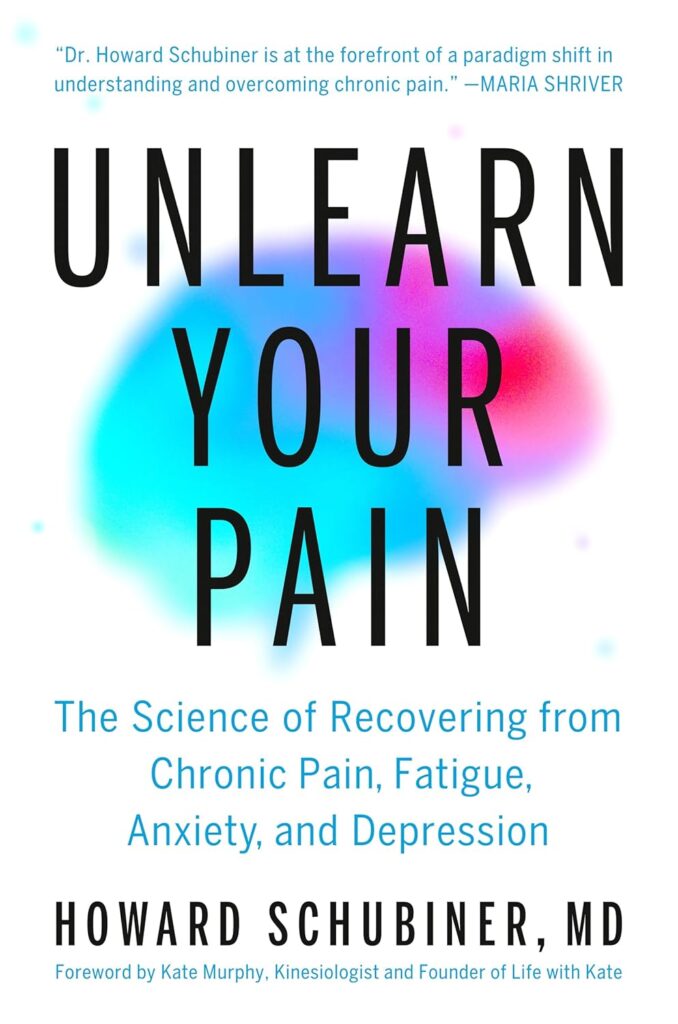
Based on more than twenty years of clinical trials and practice, Unlearn Your Pain is a groundbreaking guide to reversing chronic pain, fatigue, anxiety, and depression.
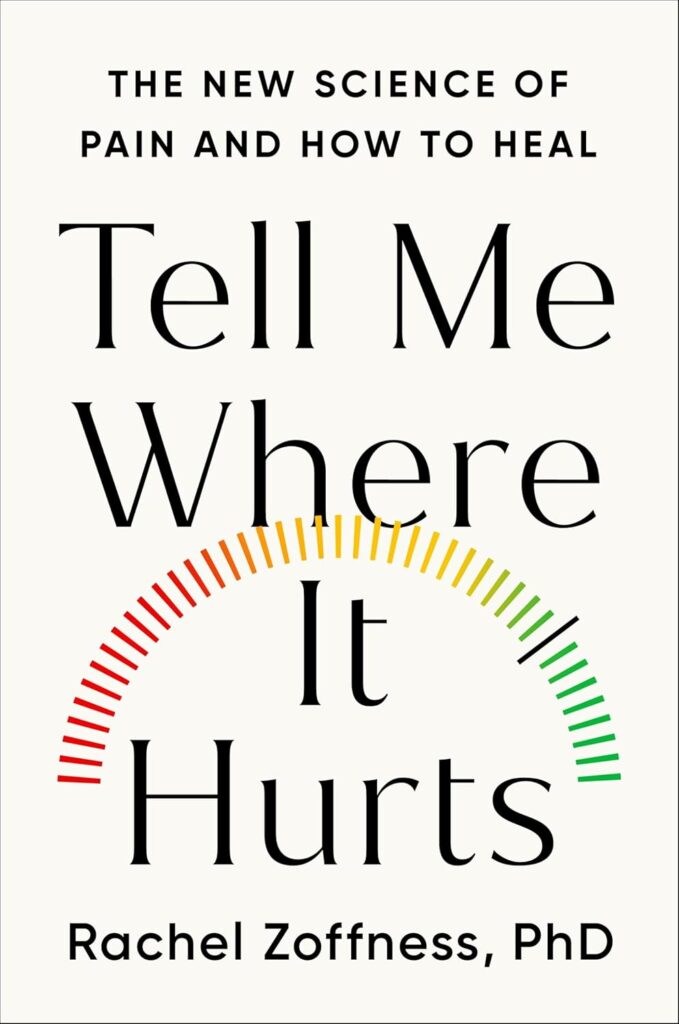
Leading pain expert Dr. Rachel Zoffness bridges the gap between medicine and psychology to get to the heart of understanding—and treating—pain—it’s The Body Keeps the Score for chronic pain.
This is PEI podcast interview

CBC PEI article Article by CBC’s Thinh Nguyen highlighting some points that I made on the This is PEI podcast with Mitch Cormier, along with some great additional research.
4 Keys to sustainable compassionate healthcare
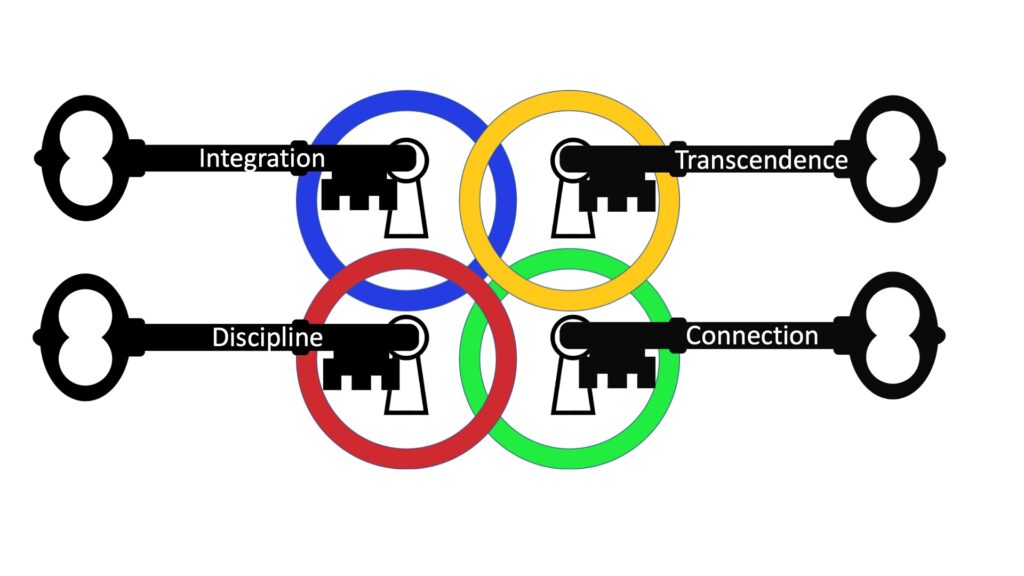
Below is a link to the first of a series of papers on Dehumanization in Medicine and Healthcare, with recommended solutions using a “Four Key Metaphor” – to open the “Treasure Chest” of a High Trust Healthcare system.
Transformational leadership
Now, more than ever, our world needs transformational leadership. Gallup has been writing about this since before the Covid-19 pandemic. The older transactional leadership style of the industrial era does not leverage the gifts and passions of today’s workforce in any industry, let alone healthcare.
Here is the conclusion of a Leadership Paper I wrote in 2021:
People crave connection and want to be seen and valued, including at work and in the organizations where they volunteer. Transformational leaders build a culture on relationship, resulting in high trust, and robust, resilient, high performing teams. This in turn leads to community impact and health— transformational change.
You can read the paper here and may be shared with your team.
White Paper on Health Care Reform
Executive Summary
Hastened by the Covid-19 pandemic, Canadians are generally now in agreement that our healthcare system is in crisis and in need of major reforms. Many healthcare leaders, politicians, journalists, and patients are proposing solutions. This paper is intended as an added voice to the discussion through a long-term lens.
Family medicine has lost its appeal
Current trends indicate that the ideal of every citizen having their own family doctor is no longer tenable or sustainable in Canada. The reasons are outlined, including practise preferences for younger physicians, an aging population with increased needs, medical technology, and diminished population resiliency.
Although nurse practitioners have been rising to fill the gap, their move from bedside nursing to primary care is contributing to a shortage of critical care nurses in areas such as ERs and ICUs. And so far, they have not proven to increase primary care throughput to avoid overrun ERs, private virtual care alternatives, or walk-in clinics.
Recommendations
There are proven principles that global healthcare leaders and economists all agree on:
- multidisciplinary collaborative care to full scope,
- payment and funding models that reward value, innovation, and well-being,
- interoperable IT solutions with robust connectivity,
- a biopsychosocial approach, and
- healthy lifestyle promotion and disease prevention.
Train and credential based on real and future needs. This includes leveraging non-physician primary health care workers more effectively. A new educational and credentialing stream is required (a four-year post-secondary Bachelor of Science in Primary Care is proposed).
Group treatment. Many chronic diseases can be very effectively treated in groups with a lay sponsor or facilitator (like the AA model). Good data to support this is already available.
Population health and resiliency initiatives. We need to revisit parenting strategies, educational practises, and cultural norms to bolster the resiliency of our young people and the future healthcare team (indeed the entire workforce).
Dialogue that includes both federal and provincial stakeholders, and all professional disciplines. No idea or proposal should be immediately discarded as non-tenable without serious consideration.
Primary care is the bedrock of our healthcare systems
Frontline community-based healthcare is the bedrock of a nation’s healthcare system. Primary health care (PHC) should address the health needs of all patients at the community level, integrating healthcare, prevention, promotion, and education.
This is now considered by global experts to be the way forward in both rich and lower income countries.
Read more in the following paper entitled, “Why Strengthening Primary Health Care is Essential to Achieving Universal Health Coverage.”
CMAJ. 2018 Apr 16;190(15):E463-E466. doi: 10.1503/cmaj.170784
Medical homes are the way forward
The College of Family Physicians of Canada has endorsed the “Medical Home” concept of primary care delivery in the community.
In this vision, every family practice across Canada offers the medical care that Canadians want — readily accessible, centred on the patients’ needs, provided throughout every stage of life, and seamlessly integrated with other services in the health care system and the community.
https://patientsmedicalhome.ca
For this vision to be successful, all of us as stakeholders (healthcare providers, political leaders, and patients), need buy-in to implement a successful strategic rollout of this model. We need to lay aside any “us versus them” mentality and truly work together toward a unified mission of “well-being for all.”
Proposed clinic workflow template
A group of retired family physicians have authored a proposed workflow template which we believe if implemented with full buy-in by leaders and clinicians, will go a long way to eradicate the registry of un-affiliated patients on PEI. And reduce reliance on the ER or Maple for urgent care.
As a working document, the authors welcome dialogue to achieve win-win-win-win (political leaders, HPEI leaders, clinicians, and patients) solutions.